Urology Healthcare & Solutions
Comprehensive patient guides, prevention strategies, and clinically-validated therapeutic supplies for kidney, bladder, and prostate health.
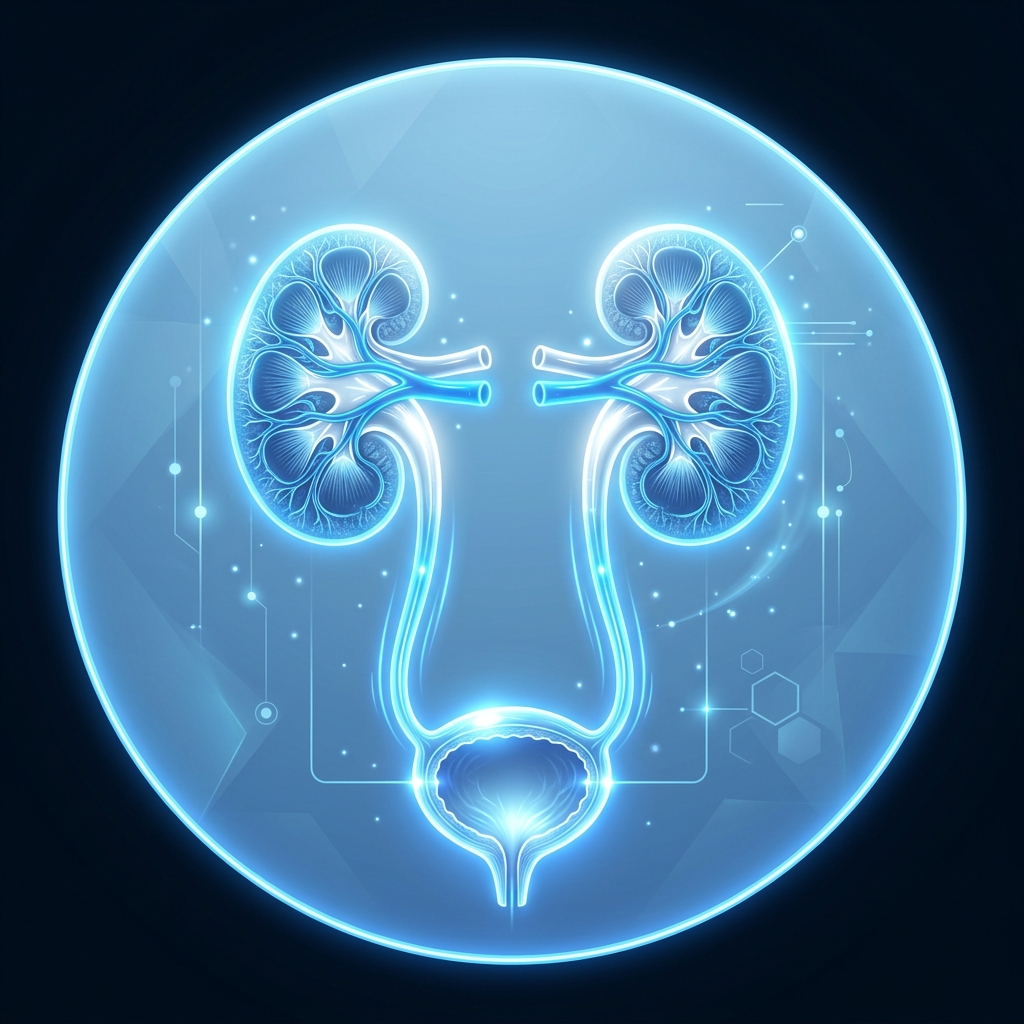
Understanding the Urinary System
The urinary tract is the body's drainage system for removing urine, which is composed of wastes and extra fluid. For normal urination to occur, all body parts in the urinary tract need to work together in the correct order.
- Kidneys: Two bean-shaped organs that filter blood to produce urine, regulating electrolyte balance and blood pressure.
- Ureters: Thin tubes of muscle—one on each side of your bladder—that carry urine from each of the kidneys to the bladder.
- Bladder: A hollow, muscular, balloon-shaped organ that expands as it fills with urine. It stores urine until you find an appropriate time to release it.
- Prostate (Males): A walnut-sized gland located just below the bladder, surrounding the urethra. It secretes seminal fluid and grows naturally with age.
Clinical Fact
Your kidneys filter about 120 to 150 quarts of blood daily to produce about 1 to 2 quarts of urine, filtering out waste products and excess water continuously.
Common Urological Concerns
1. Benign Prostatic Hyperplasia (BPH)
An enlargement of the prostate gland common in men over 50. It can press against the urethra, causing symptoms like a weak urine stream, frequent urination, and difficulty starting urination.
2. Kidney Stones (Nephrolithiasis)
Hard deposits made of minerals and salts that form inside your kidneys. Passing kidney stones can be highly painful, but they usually don't cause permanent damage if treated promptly.
3. Urinary Tract Infections (UTIs)
An infection in any part of your urinary system. Most infections involve the lower urinary tract — the bladder and the urethra. Women are at greater risk of developing a UTI than men.
When to See a Doctor
Consult a urologist immediately if you experience:
- Blood in urine (hematuria)
- Severe pain in your side, back, or groin
- Inability to urinate
- High fever accompanied by chills and back pain
Tips for Maintaining Urological Health
Simple lifestyle modifications can drastically reduce your risk of developing UTIs, kidney stones, and bladder irritations:
Stay Hydrated
Drink 8-10 glasses of water daily to flush bacteria and minerals out of the urinary tract.
Dietary Adjustments
Reduce sodium and animal protein intake to lower the risk of calcium oxalate kidney stones.
Don't Hold Urine
Empty your bladder completely when you feel the urge. Holding urine weakens bladder muscles.
Targeted Supplements
Use Cranberry Extract and D-Mannose to inhibit E. coli adhesion in the urinary tract.
Urology Care Products & Supplements
Shop tested, high-grade urological supplements, catheters, and urinary care bags.